How to Declutter Before a Removal Survey Visit
Table of Contents
- Why Decluttering Before a Removal Survey Saves Money
- When to Start Decluttering Before Your Move
- Setting a Realistic Decluttering Plan Room by Room
- Sorting Belongings into Keep, Donate, Sell and Discard
- How Decluttering Affects Your Removal Survey and Quote
- Removal Survey Checklist for Survey Day in Manchester
- Hazardous, Restricted and Specialist Items to Handle Separately
- Booking Your Survey and Getting Your Free Quote from Daddy Removals
- Frequently Asked Questions
Why Decluttering Before a Removal Survey Saves Money
Learning how to declutter before a removal survey can noticeably cut your moving bill. Removal firms in the UK price a move by volume, so every box and piece of furniture you remove is one less thing to load, transport and unload. A survey is easier when a home has already been sorted.
The main benefit is a smaller, more accurate quote. The surveyor measures what they see, and a cluttered home can mean a larger estimate than you need. Fewer items also mean a smaller van, fewer hours and less packing material.
Decluttering also helps you avoid paying to move things you will never use again. Moving broken furniture, old electricals or half-empty cupboards of food adds cost with no benefit to you.
When to Start Decluttering Before Your Move
Start as early as you can, because knowing how to declutter before a removal survey starts with giving yourself time. Allowing several weeks before the move can give enough time to sort, sell or donate items without rushing. If your move is further away, begin even earlier and work through one area at a time.
Set a clear date for your survey, then work backwards. Booking the survey early means you have a firm deadline to aim for. If the survey is close, focus first on the largest rooms and the loft, garage or shed, since these usually hold the most unwanted items.
Watch out: do not leave clearing the loft, shed or garage until the last week. These spaces often hide bulky items that take longer to sell, donate or dispose of than you expect.
Setting a Realistic Decluttering Plan Room by Room
A room-by-room plan keeps the job manageable. Work through one room at a time and set small goals, such as clearing one wardrobe or one kitchen drawer in a session.

Here is a simple order that works for most homes:
- Loft, garage, shed and spare rooms
- Living room and dining room
- Bedrooms and wardrobes
- Bathroom and hallway
- Kitchen, last, so you can still cook and eat until close to the move
Keep the plan realistic. Work in manageable bursts of an hour or two rather than whole weekends. Mark each finished room on a list so you can see your progress.
Sorting Belongings into Keep, Donate, Sell and Discard
Once you have a plan, sort each item into one of four groups:
- Keep: items you use regularly or that will fit in your new home
- Donate: good-condition items that a charity shop or community group can use
- Sell: items with resale value, such as furniture, electricals and collectables
- Discard: broken, unsafe or unwanted items that cannot be reused or recycled
Be honest about sentimental items. Keep the ones that matter to you and let go of the rest.
Using a Box-Based Sorting Method
Label four boxes or bags with the categories above and place each item straight into the right one. This stops you from picking things up and putting them down again. Once a box is full, deal with it straight away: take donations to a charity shop, list sellable items online, and book a disposal trip for anything that cannot be reused.
Another approach is the three-box method, which combines keep, sell and everything else. It suits people who want to clear quickly without many categories.
Clearing Kitchens, Gadgets and Expired Food
Kitchens often hold the most clutter. Check every cupboard and drawer for duplicate utensils, unused gadgets and small appliances you have not touched in a year. Donate any that still work.
Throw away expired food, and use up what you can in the weeks before the move. Do not pack anything that might leak or spoil, as it can damage other items on the day.
The four groups you sort belongings into each have a clear purpose, as summarised below.
| Group | Use it for | Action |
|---|---|---|
| Keep | Items used regularly or fitting the new home | Pack and move |
| Donate | Good-condition items a charity or community group can use | Take to charity shop |
| Sell | Furniture, electricals and collectables with resale value | List online |
| Discard | Broken, unsafe or unwanted items | Dispose of or recycle |
How Decluttering Affects Your Removal Survey and Quote
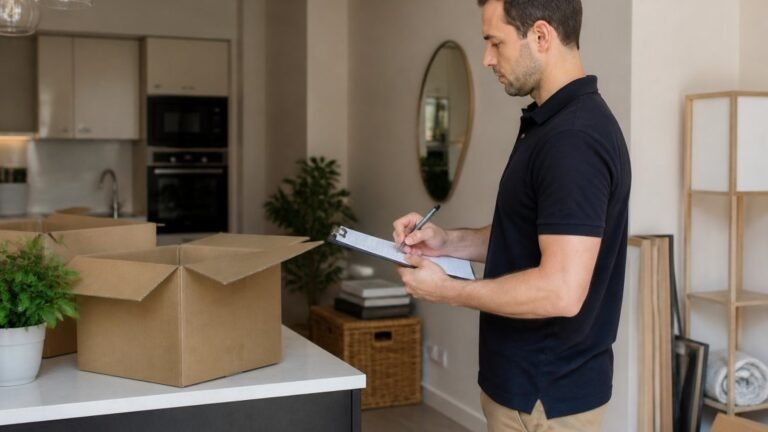
The survey is where the removal firm estimates how much you are moving. A surveyor typically looks at each room, checks the loft, garage and any outbuildings, and notes the approximate volume. A home that has already been decluttered gives an accurate picture, and the quote reflects what you actually need moved.
Before the survey, tell the surveyor about anything you plan to sell, donate or discard. This helps them quote for the items that will actually travel. Decluttering after the quote is still useful, but reducing items first means a smaller final figure.
Removal Survey Checklist for Survey Day in Manchester
A removal survey is not a casual walk-through. The surveyor is building a volume and access picture that becomes your quote, so the state of your home on the day directly affects the figure you are given. Use this checklist to prepare, and read the notes underneath so you understand what the surveyor is actually looking for.
- Clear a path to every room, including the loft hatch, garage, shed and any outbuildings
- Gather all keys, including for outbuildings, gates and communal entry doors
- Set aside items you plan to sell, donate or discard, and tell the surveyor they are not travelling
- Make a rough list of heavy or bulky items, pianos, pool tables, large wardrobes, gym equipment, safes
- Note any parking restrictions, narrow streets or access difficulties on your road
- Have your moving date, new address and any storage requirements ready
- Prepare questions about packing, storage and specialist handling
- Check that loft, shed and garage lighting works, or have a torch to hand
Why each item matters to the surveyor
Surveyors assess volume room by room, but access matters too. A loft that is packed to the rafters takes longer to survey and may hide items that change the volume estimate. Clear access to the loft hatch, garage and shed lets the surveyor see the true load rather than guessing. If you have a cellar or a communal storage cage, make sure it is unlocked and lit.
Heavy and bulky items are not just about weight. A piano, a large American-style fridge-freezer or a large safe may need specialist handling, and the surveyor needs to know before the quote is set. Write these down rather than relying on the surveyor to spot them.
Parking and access are easy to overlook. Parking permit zones and narrow entries on some streets can affect where a removal van can stop. Tell the surveyor about permit zones, double-parked lanes, low bridges or any gate width restrictions so the quote reflects the real job.
Preparing for a video or remote survey
If you are completing a video survey rather than an in-person visit, the same checklist applies but the camera work matters. Walk the surveyor through each room slowly, pan across cupboards and storage areas, and open loft hatches and shed doors on camera. Good lighting helps, turn on ceiling lights and open curtains. Show the surveyor the inside of wardrobes and cupboards rather than just the room, because stored items are easy to miss on a small screen.
Watch out: do not move items into a different room or into the garage just to tidy up before the survey. The surveyor quotes what they see in each space, and shifting clutter around can distort the volume estimate and lead to a quote that does not match the actual move.
Hazardous, Restricted and Specialist Items to Handle Separately
Some items cannot travel in a standard removal load, either because they are hazardous, because they are restricted by law, or because most removal firms will not carry them for insurance and safety reasons. Identify these before your survey so the quote is accurate and nothing is left behind on moving day.
Items most removal firms will not carry
- Paint, varnish, aerosols and solvents
- Gas cylinders, fuel cans and petrol-powered equipment with fuel in the tank
- Chemicals, bleach, weedkiller and cleaning products
- Loose batteries, including lithium-ion batteries from e-bikes and power tools
- Plants, live animals and perishable food
- Valuables, important documents and medication, these should travel with you
How to dispose of hazardous waste in Manchester
Local councils generally provide household waste recycling centres for hazardous items. Check your local council’s website for the current list of accepted items and any booking requirements before you travel, as rules and opening hours change.
For items that are not hazardous but are too bulky for the bin, your local council may offer a bulky waste collection service, sometimes for a fee. Check your council’s website for current charges and collection windows, as these change. If you are in a hurry, a licensed waste carrier is an alternative, but ask for a waste transfer note so you know your items are being disposed of legally.
Specialist and fragile items
Antiques, artwork, mirrors, pianos and large safes can need special handling. Tell your removal firm about them during the survey so they can advise on the care required. Do not assume the standard quote covers a piano or a large safe, ask directly.
Watch out: never put hazardous items in a skip or a general waste bin, and never pour paint or chemicals down the drain. Improper disposal of waste can attract penalties, so check the official guidance on handling hazardous waste.
Booking Your Survey and Getting Your Free Quote from Daddy Removals
Once you have sorted your belongings, the next step is to get a quote. Daddy Removals offers personalised quotes through a home visit or a video survey, so you can choose what suits you best. Pricing depends on the volume of your belongings, the date of your move and any packing or storage you need, so the best way to get an accurate figure is to request a quote.
Get a free removal quote from Daddy Removals without arranging a home visit, or explore our house removals in Manchester to see how we handle moves across the city. If you have items to store while you settle in, our secure storage in Manchester can help.
Our team is fully insured with public liability cover. Get your free quote today and start your move with one less thing to worry about.
Frequently Asked Questions
What should I declutter before a removal survey?
Focus first on items you no longer use, such as old furniture, spare electricals, clothing you have outgrown and duplicate kitchenware. Clear the loft, garage, shed and under-stairs storage, since these areas often hold more than people expect and can add to the volume a surveyor must assess. Move anything hazardous or restricted, such as paint, gas cylinders or fuel, out of the house before the survey, because most removal firms will not carry these. Keeping only what you genuinely plan to take gives the surveyor an accurate picture of what needs to move.
Does decluttering before a removal survey reduce moving costs?
It can. Removing unwanted items before the survey can lower the volume you are paying to transport. Pricing depends on quantity, distance, dates and any additional services, so you should ask Daddy Removals for a personalised quote based on what you actually intend to move. Clearing items early also means fewer boxes and less packing time on the day.
How do I prepare my home for a removal survey?
Tidy each room so the surveyor can see all the furniture and belongings, and make sure loft, garage and outbuilding access is clear. Gather information about your new home, including its size, access arrangements, parking and any stairs or lifts. Note any fragile or high-value items you want to highlight, and mark items you plan to dispose of so they are not included in the quote. If you prefer, Daddy Removals offers home visits or video surveys, so you can choose the option that suits your schedule.
Can a removal survey be done over video?
Yes. Daddy Removals offers personalised quotes via home visits or video surveys, which can suit households with limited time or those moving at short notice. For a video survey, walk slowly through every room, open cupboards and loft hatches, and show outdoor storage areas. Narrate what you want moved and what you plan to leave or dispose of. Good lighting and a clear view of large items will help the quote stay accurate.